Decoding neural circuit dynamics across development, behavior, and evolution via mathematics and computation.
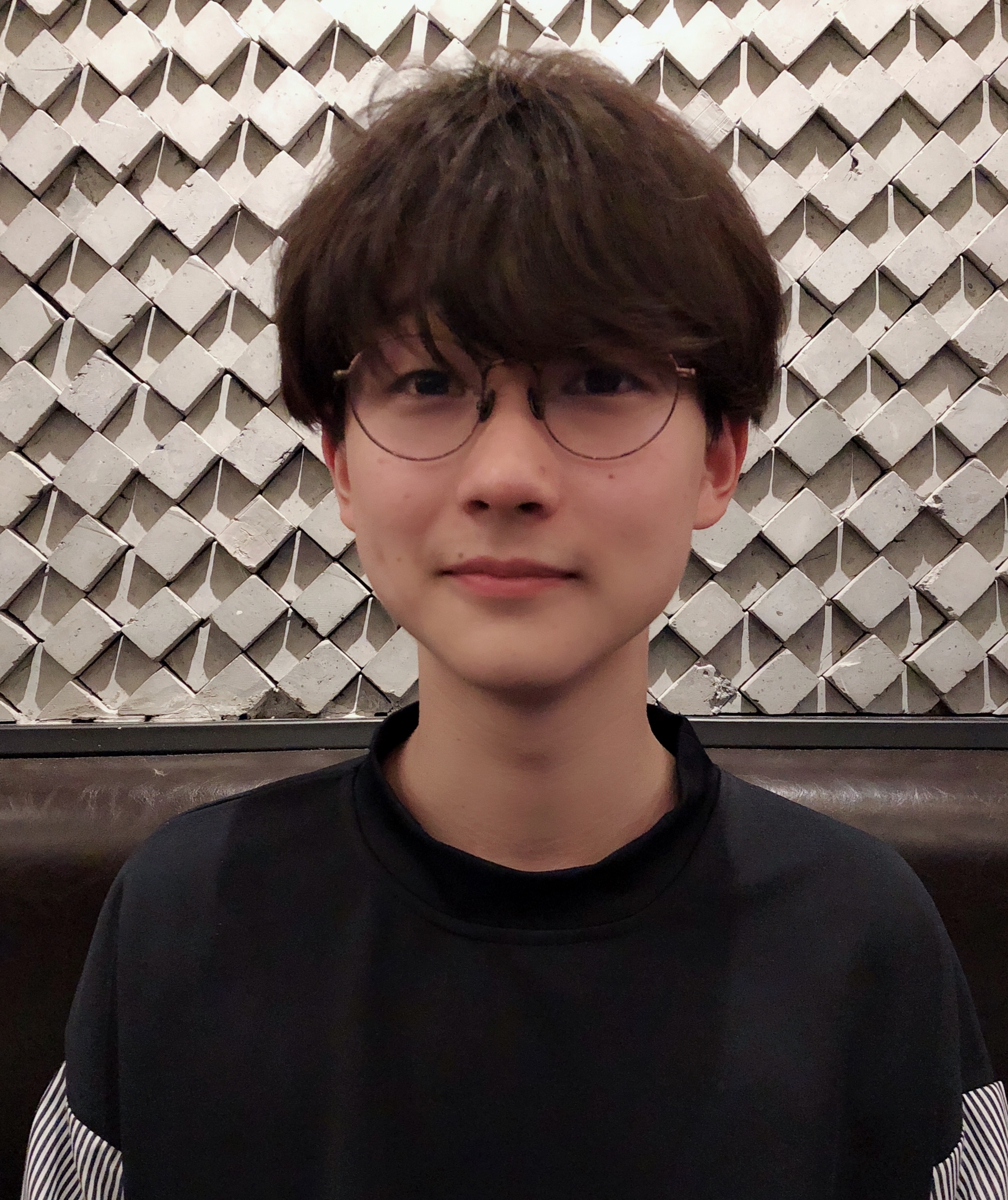
My name is Haowen (he/him), and I am a third-year graduate student in the Bioinformatics PhD program at Georgia Tech. For my thesis research, I work jointly in the Streelman Lab, studying brain evolution and complex social behaviors through single-cell neurogenomics, and in the Qiu Lab, developing computational tools for functional genomics and single-cell assays.
Research Themes
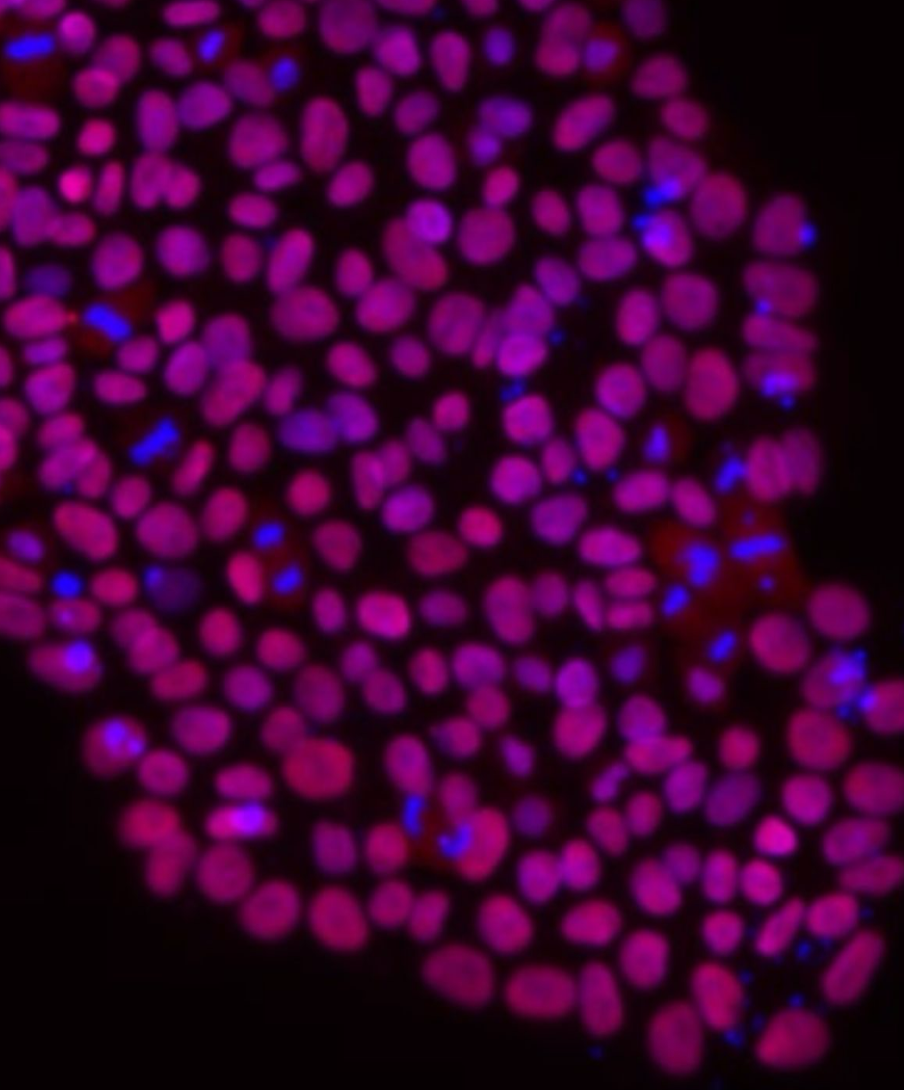
Social behaviors are diverse in nature, but it remains unclear how conserved genes, brain regions, and cell populations generate this diversity. I study how this diversity arises from evolutionarily conserved gene regulatory features and cellular states of the vertebrate brain, examining how gene expression, chromatin accessibility, and spatial organization of cell types collectively shape neural circuits and behavior through single-cell neurogenomics. I develop statistical modeling and machine learning approaches to turn rich, high-throughput, high-content biological measurements into quantitative, testable theories and useful computational tools.
Brain, Behavior, and Evolution
Context-dependent processes like embryonic development, the regeneration of organs and complex behavior are fascinating because they reveal new rules of biological systems that are not necessarily operational during homeostasis. For instance, recent results suggest that stem-like cells in the brain may tune the evolution of male social behavior. Using single-cell multi-omic profiling of the vertebrate forebrain, I investigate how brain circuits are rewired, how the composition of specific cell populations is rebalanced to establish state-specific homeostasis, and how epigenomic information and cis-regulatory enhancer–gene mapping are dynamically reconfigured across behavioral states.
Single-Cell & Spatial Omics
Single-cell and spatial omics provide unprecedented resolution to reconstruct cell states, lineage relationships, and tissue architecture in situ. I develop and apply multi-omic computational frameworks to map cell-type diversity, resolve how behavioral state reshapes cellular programs over time, and link cis-regulatory elements to gene expression within spatial context. Through these efforts, I aim to uncover how spatial organization and regulatory landscapes coordinate cellular function across development, regeneration, and behavior.
Statistical Learning & Modeling
While I rarely build new tools for their own sake, single-cell data from non-model species is heterogeneous, high-dimensional, and structured in ways that off-the-shelf methods struggle to handle. To extract interpretable understanding from the data, I develop approaches that combine graph-based statistical modeling with modern machine learning, spanning latent representation learning, deep learning characterization of enhancer code evolution, and probabilistic methods for cell-type trajectory inference, causal GRN modeling, cell phylogeny reconstruction, and allelic imbalance detection.
Selected Publications
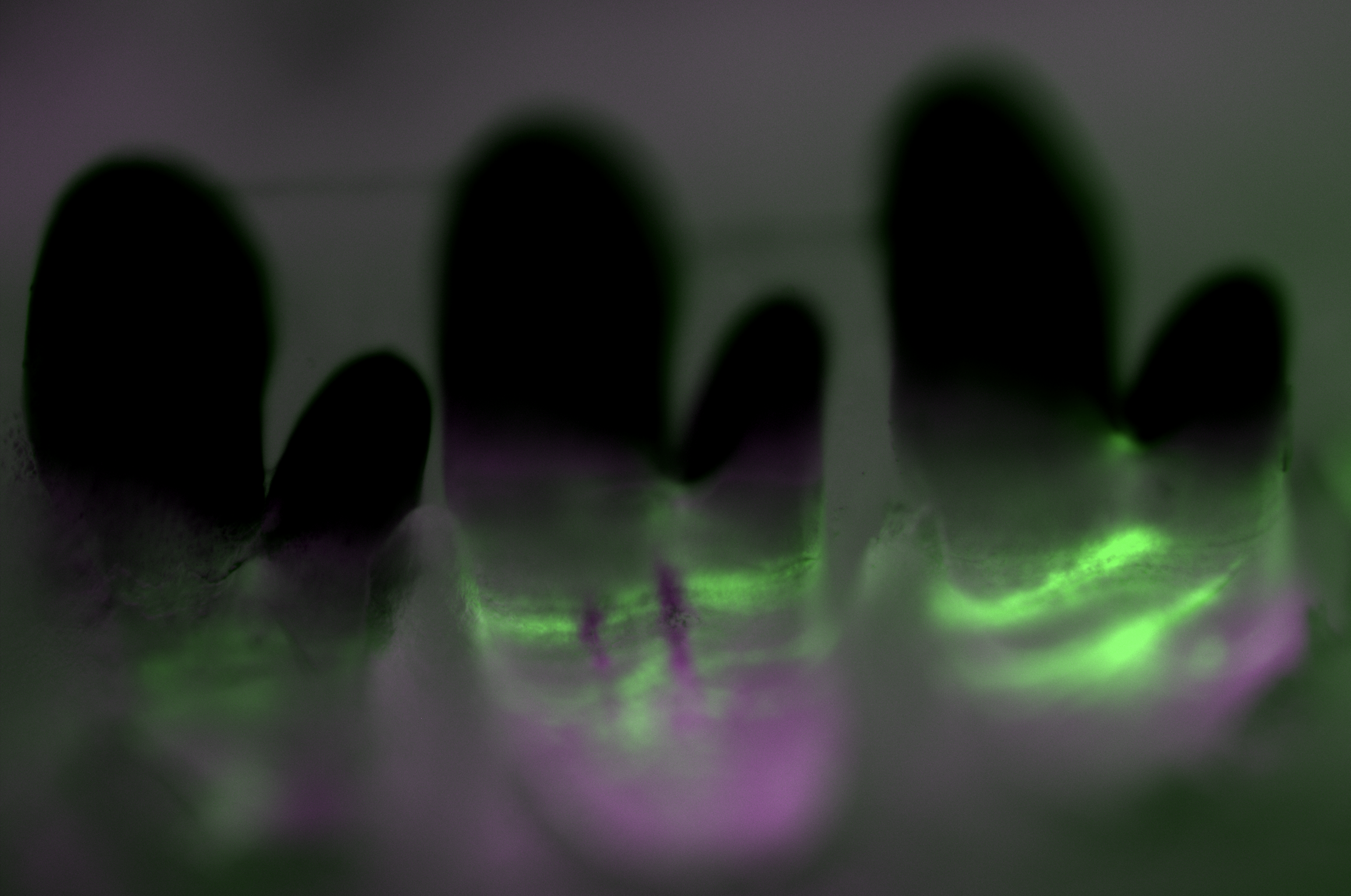
Cellular basis of accelerated whole-tooth regeneration
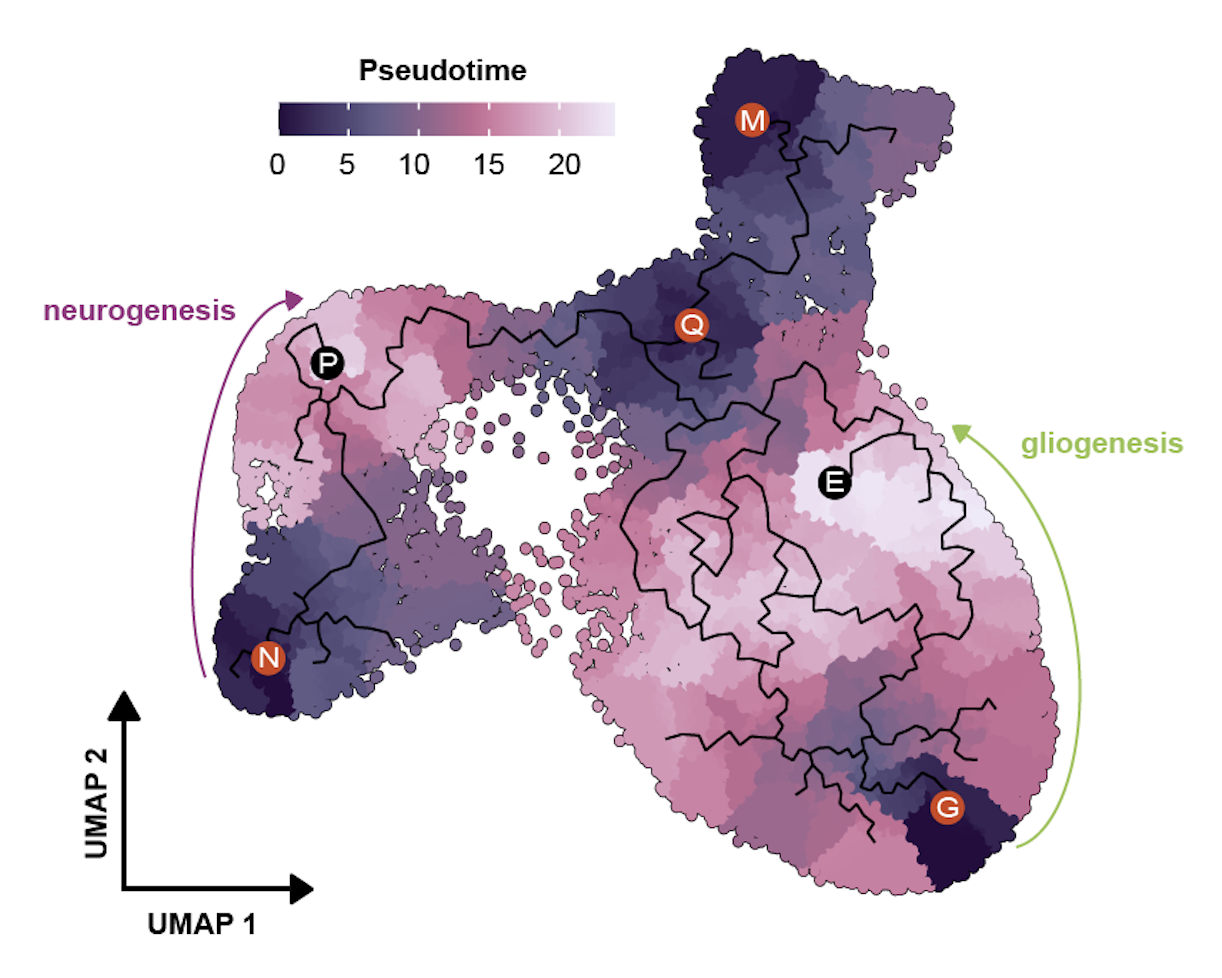
Evolutionarily informed gene sets reveal conserved and lineage-modified transcriptional programs during vertebrate forebrain evolution
Teaching
Introduction to Machine Learning for Biomedical Engineers
This course is designed to provide biomedical engineering undergraduates with a solid foundation in the basic principles and techniques of machine learning, and its applications in biological data analysis.
You?
Undergraduate students interested in using computational tools to study neuroscience, behavior, and evolution are encouraged to explore undergraduate research opportunities in the Streelman Lab and/or reach out to Todd. Curiosity, enthusiasm, and a willingness to learn are more important than extensive prior experience.
Apply to the Streelman Lab
About Haowen
Timeline


Miscellany
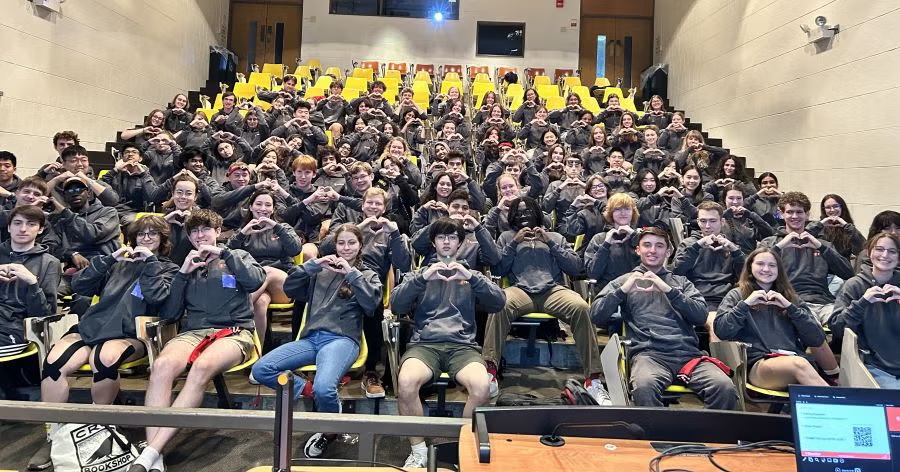
IPERSIST mentors at RPI
As a first-gen college student, I care about outreach and inclusion in science, especially for historically marginalized populations. Some programs I've been part of: I-PERSIST Mentoring in Calculus (RPI) and the Center for Global Communication and Design (RPI COMM+D mentor).

Jasper National Park, Summer 2016
In my spare time, you might find me: cooking, playing tennis/pickleball, painting (by numbers), Kayaking in national parks, or watching arthouse films. A recent favorite is Mia Hansen-Løve's Things to Come.
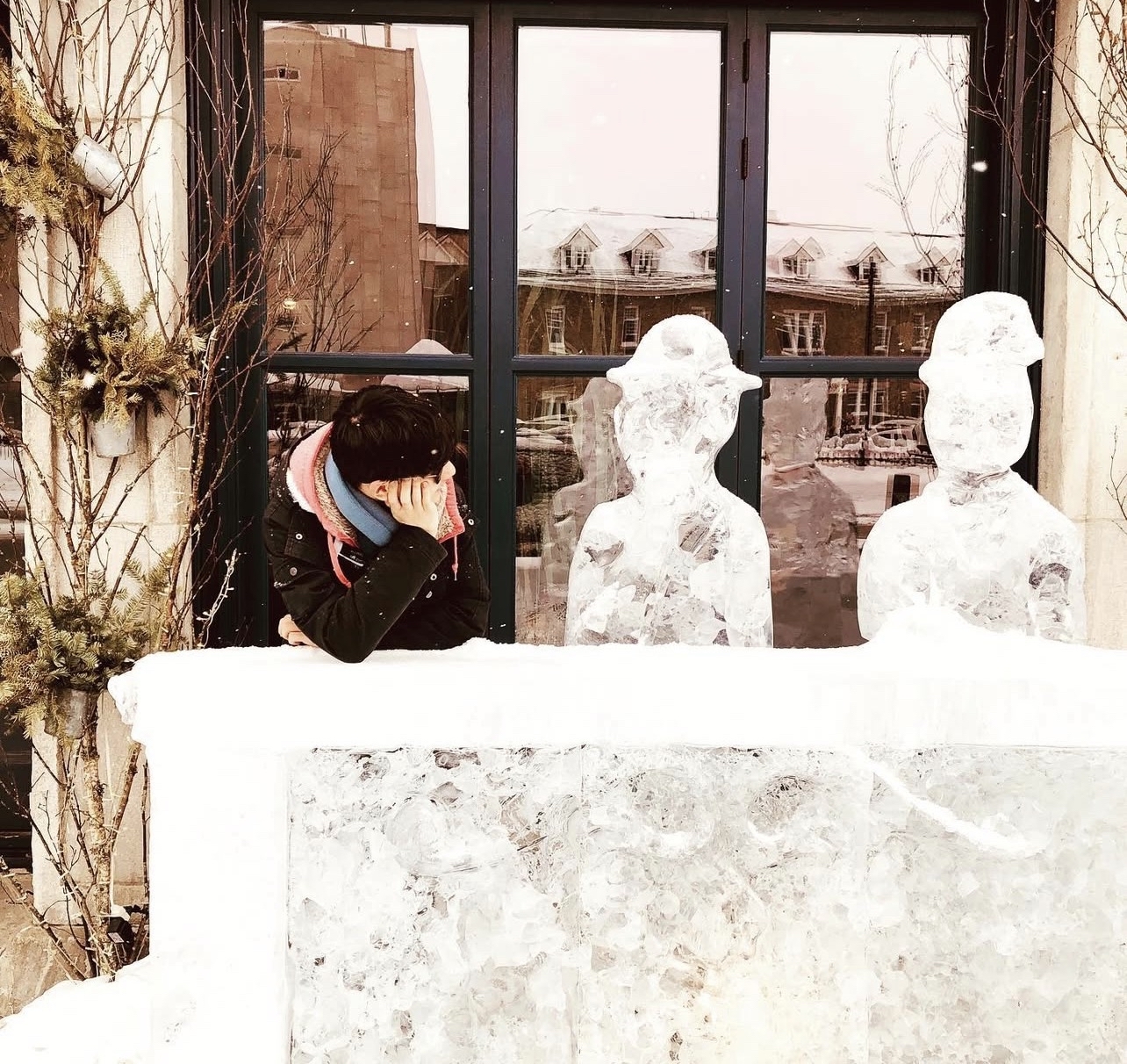
Québec City, Winter 2018
Fun fact: My friends thought I was lucky to move south for warmer weather, but I was secretly disappointed to leave the snow and winter behind.